April 2026 launch date for making tax digital for income tax confirmed
The government have confirmed that MTD for Income Tax will become mandatory for sole traders and landlords with a combined turnover above £50,000 per annum, from April 2026.
Making Tax Digital for Income Tax represents a huge change to how you submit details of your taxable profits to HM Revenue & Customs each year, moving from the current system of submitting a Self Assessment Tax Return once a year, to making quarterly submissions using MTD compliant software.
For VAT registered businesses, a similar widespread change was brought in several years ago, requiring VAT returns to be submitted from MTD compliant software, and MTD for Income Tax is the next step towards mandating the requirement for all businesses (and landlords) to keep digital records of all business income and expenses for each source of income, categorised in line with tax reporting.
The main difference between MTD for VAT and MTD for Income Tax though, is that with VAT businesses were already submitting a quarterly VAT return, so the MTD changes just meant that it had to be done from MTD compliant software, whereas MTD for Income Tax is a more fundamental change as it means businesses will have to make a tax submission every quarter, something that has never previously been required.
MTD becomes mandatory for self-employed businesses and landlords, with a combined turnover of over £50,000 from 6 April 2026.
Self-employed businesses and landlords with a combined turnover of over £30,000 will need to start making quarterly submissions from 6 April 2027, with those with a combined turn of over £20,000 going live from 6 April 2028, although this date might be brought forward.
One of our practice strengths is in embracing new technology and software, so rest assured we are well placed to help

1. MTD for Income Tax launches in April 2026 for sole traders and landlords with incomes >£50k pa
2. Those affected will need to submit quarterly returns of their income and expenses to HMRC
3. Submissions must be made from MTD compliant software, such as Xero
4. An annual digital Tax Return must also be submitted, including any other income and reliefs
5. Tax payment dates are unaffected, but this represents a huge compliance change for sole traders
If you'd like to find out more about our services then please contact the team.
Are you ready?

What about partnerships and LLPs? Or those earning less than £20,000 per annum?
HMRC intends to introduce MTD ITSA for partnerships but no start date has been announced. We’ll bring you news of these key dates in a future newsletter once these are confirmed.

What will the quarterly submission look like?
Throughout the tax year every self-employed person and/or landlord will have to make a quarterly submission of their income and business/property expenses, split into pre-defined categories.

What software can be used?
Existing bookkeeping packages, such as Xero, Quickbooks, Freeagent and Sage will all allow MTD for Income Tax submissions, alongside bridging software that will allow bulk reconciliation in an MTD-compliant software. We’ll be in touch in the coming months with our recommendations. Unfortunately though, the days of using excel are numbered…!
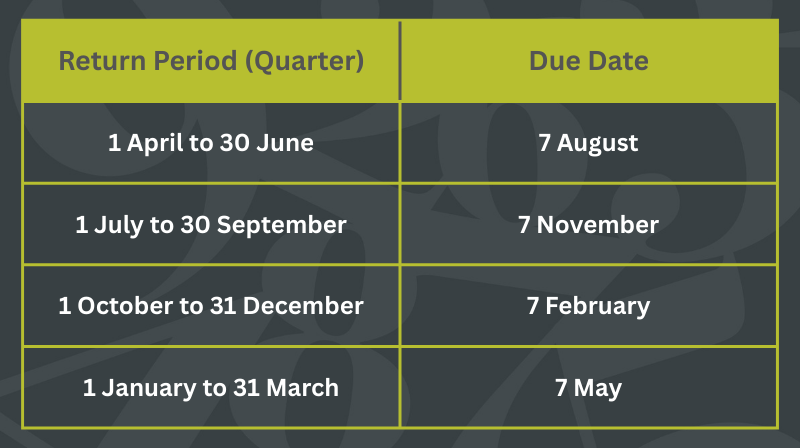
When do submissions have to be made?
The submission deadline dates are similar to those for VAT returns, for the quarterly submissions.

Will an annual tax return still be required?
Yes. In addition to the quarterly submissions of business and property income and expenditure, you will also be required to submit an annual tax return which confirms the annual business/property figures, and also includes any other sources of income (for example bank interest, dividends etc) and reliefs. This digital tax return will have to be submitted by 31 January each year, in the same way as the current Self Assessment system.

Will the tax payment dates be changing?
No. All tax owed for a tax year will remain payable on 31 January following the end of the tax year, with payments on account made in January and July each year, mirroring the current payment dates under Self Assessment.

What happens next?
HMRC will be writing to taxpayers about MTD for Income Tax in May, so keep an eye out for that letter. We’ll be in touch further with affected clients over the coming months to set out our recommendations and fee packages for handling MTD submissions on their behalf.

How do you get started?
Those with a combined business/property income over £50,000 in the 2024/25 tax year will need to sign up for MTD for Income Tax by April 2026. We’ll be on hand to assist and advise accordingly.